Pick the fence for the job
Five types cover almost every boundary we are asked about. Each page gives heights, options and what the fence is best at.
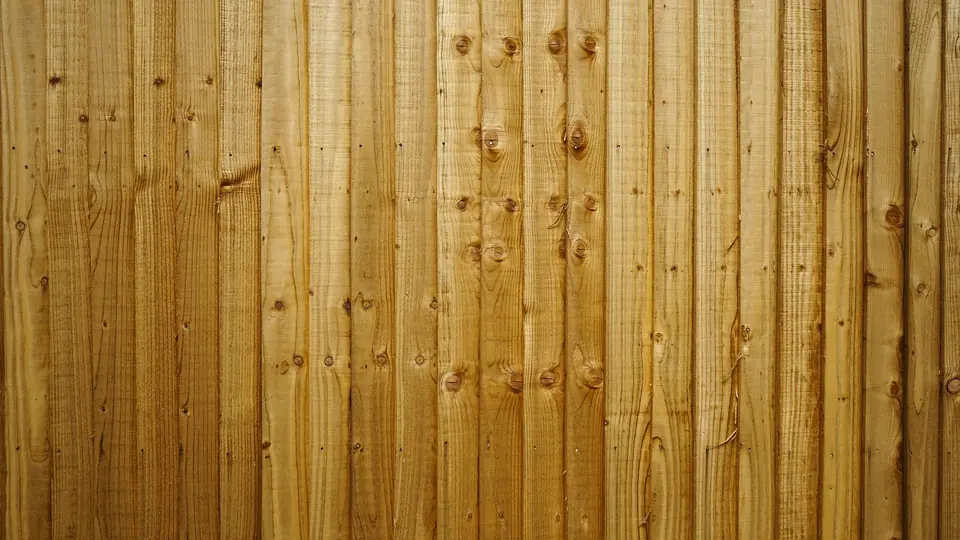
Closeboard fencing
Featheredge boards nailed to rails on site between concreted posts. The strongest choice for a garden boundary.
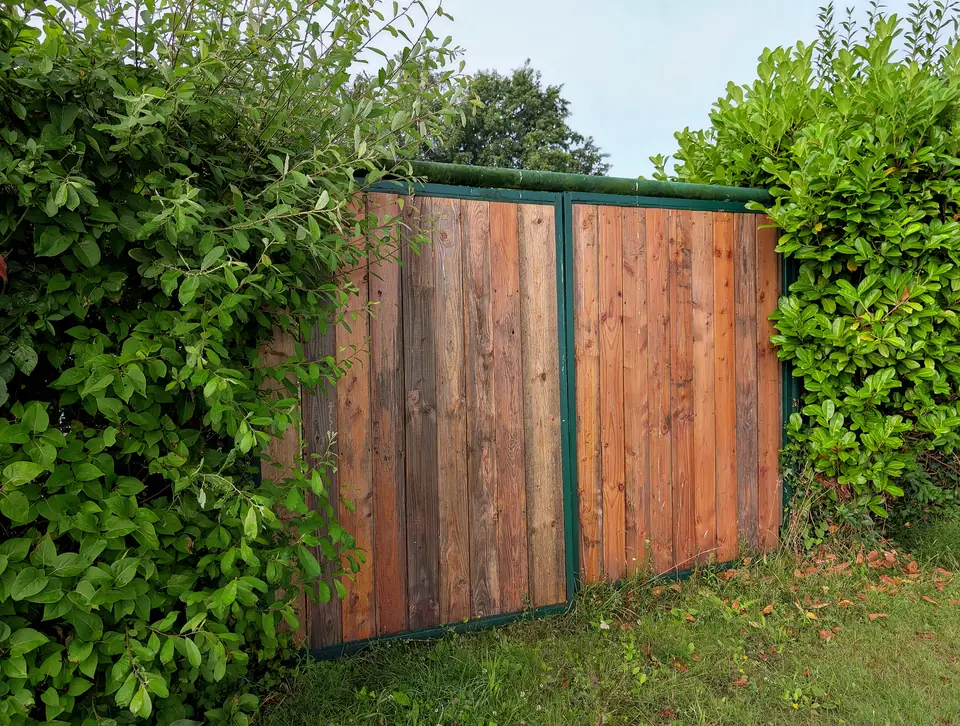
Panel fencing
Ready-made panels between slotted or timber posts. Quick to fit, good value and simple to repair one panel at a time.
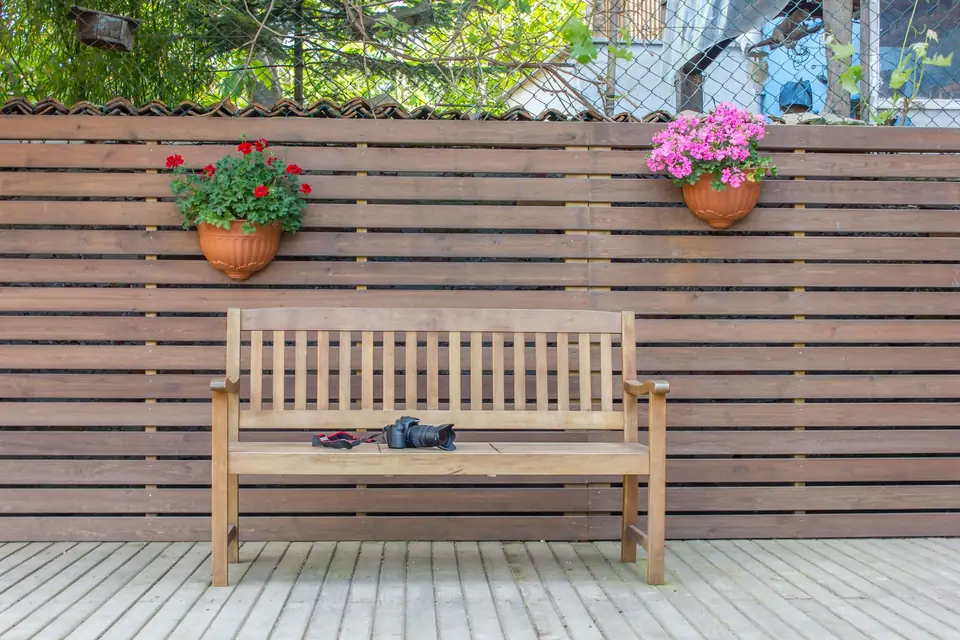
Slatted screening
Horizontal slats with even gaps: a clean, modern screen for patios, seating areas and bin stores.
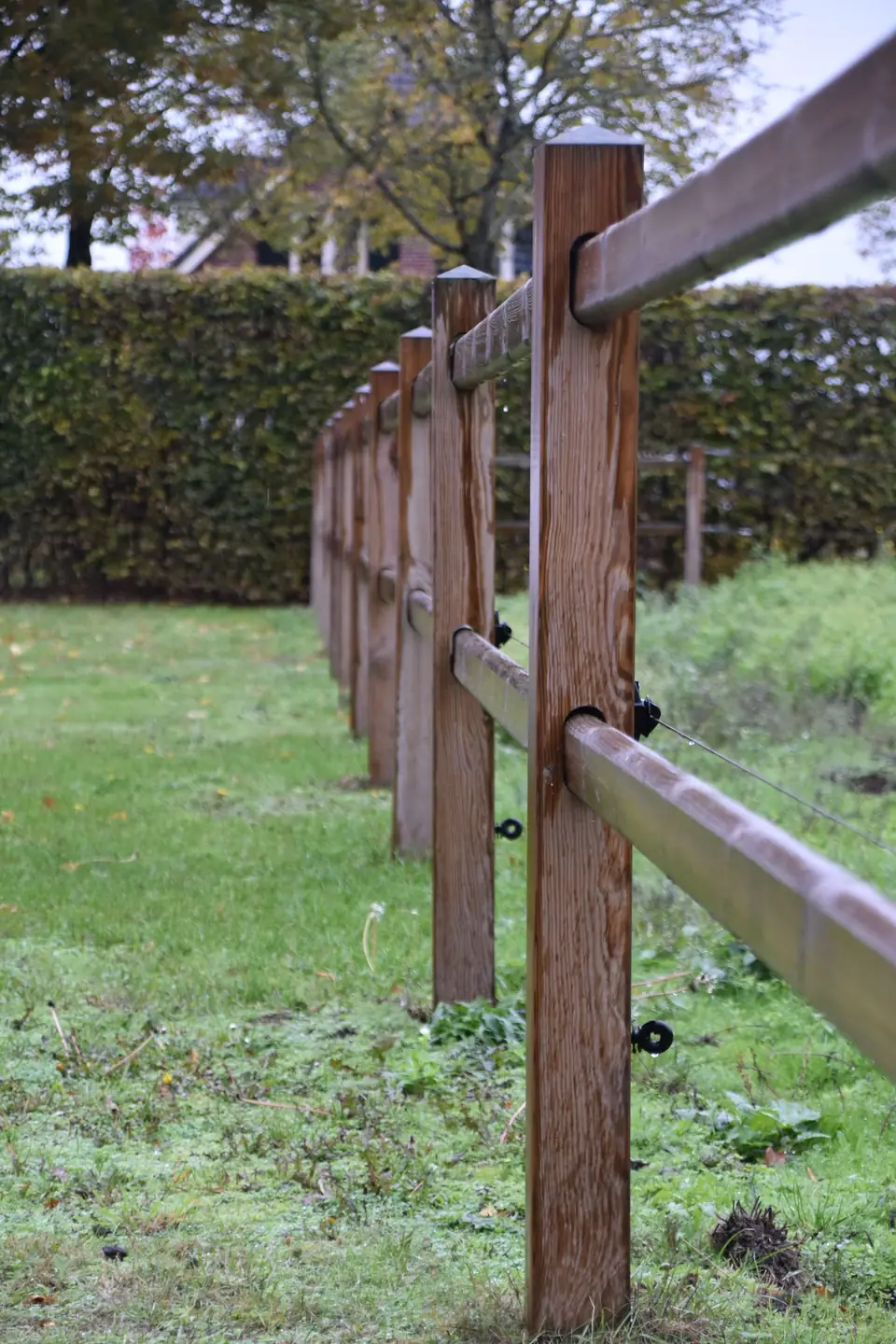
Post and rail
Open timber fencing for paddocks, driveways and long boundaries, with stock netting where animals need keeping in.
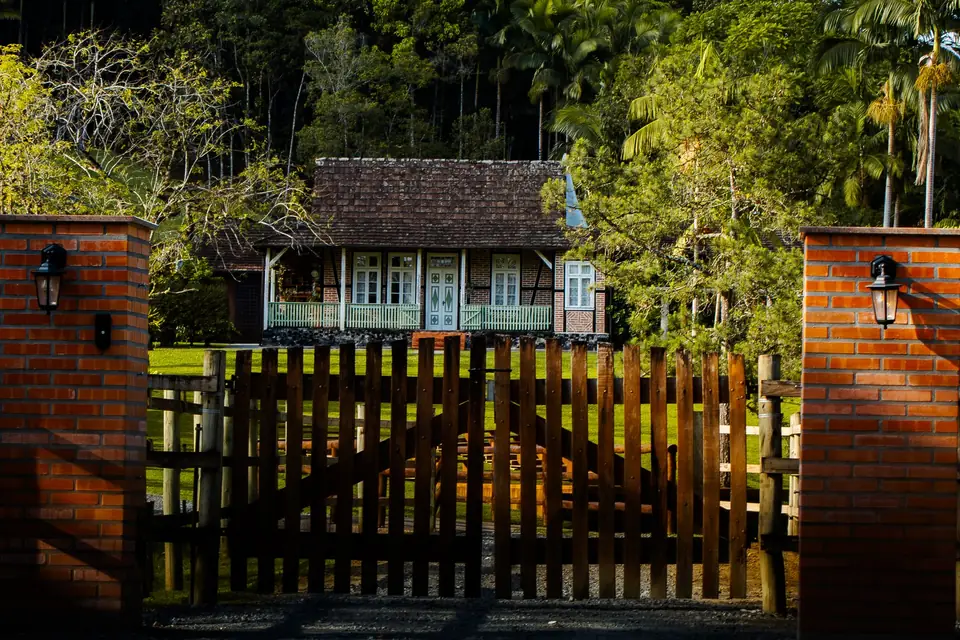
Gates
Side gates, driveway pairs and field gates, hung on proper posts so they still swing freely years later.
Which fence suits which job
A plain comparison. If you are still unsure, we will talk it through on the site visit.
| Fence | Best for | Privacy | Usual heights | Wind |
|---|---|---|---|---|
| Closeboard | Back gardens and exposed boundaries | Full | 1.2 m to 1.8 m | Strong: boards fixed to rails on site |
| Panel | Sheltered gardens on a tighter budget | Full | 0.9 m to 1.8 m | Moderate: panels can be swapped if damaged |
| Slatted screen | Patios, bin stores and modern gardens | Partial, by slat gap | 0.9 m to 1.8 m | Good: gaps let wind through |
| Post and rail | Paddocks, driveways and long boundaries | None | 1.1 m to 1.3 m | Very good: open construction |
| Picket | Front gardens | Low | 0.9 m to 1.2 m | Very good: open construction |
Ready for a straight quote?
Free site visit. Written, itemised price. No obligation.